From keystroke to host process
Keystrokes and trackpad events ride a FlatBuffers data channel with no per-frame buffering. Modifier keys, shortcuts, and gestures forward natively — the host sees a real keyboard, not a virtual one.
Reach the real Xcode, Android Studio, VS Code, JetBrains, Docker Desktop, and tmux session on your workstation from a MacBook Air, iPad Pro, or phone. About 8 ms of processing latency on a wired LAN — your input lands before the next frame draws. No VPN, no web wrapper, no vendor lock-in.
An SSH session for the long-lived host, a dev server with hot reload, and a container stack feeding the API. Remio streams them all to your laptop or tablet exactly as they appear on the workstation — no second editor, no browser-tab IDE, no port forwards to maintain.
Real Xcode. Real Cargo. Real Docker Desktop.
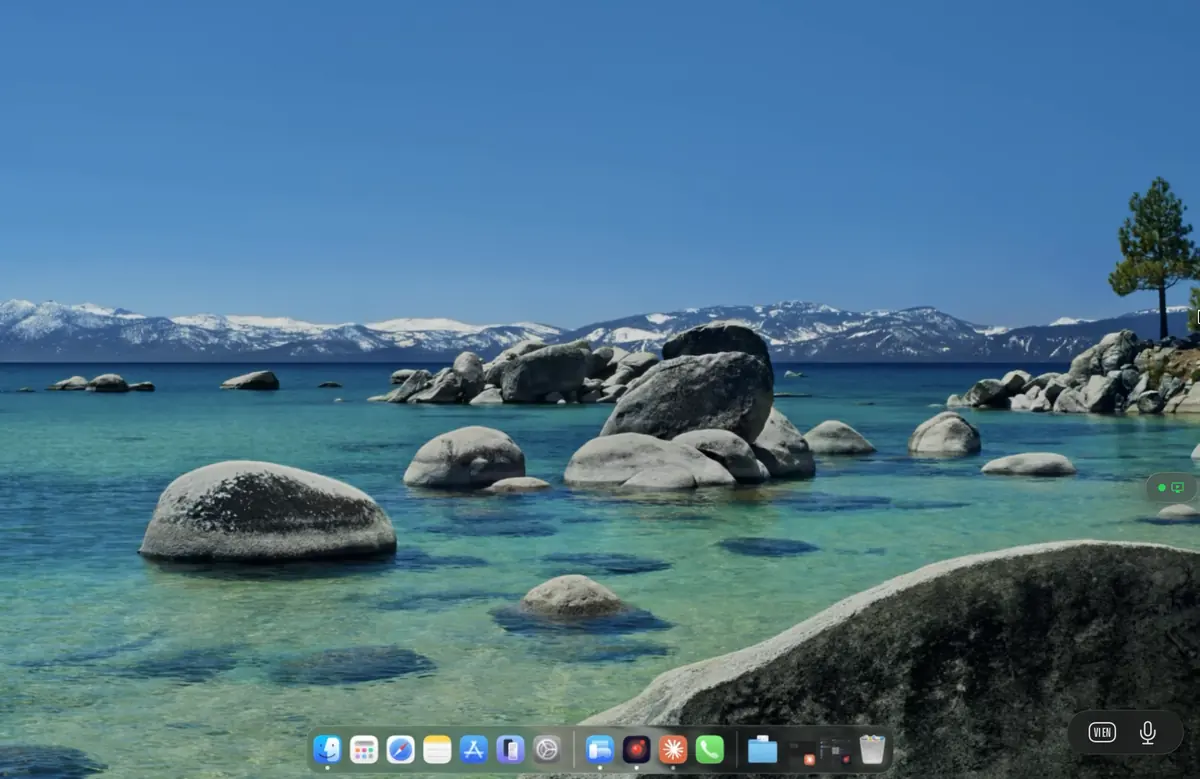
SSH, hot reload, and the container stack all keep running on the host. Remio mirrors their windows to whatever screen you have with you.
The build finishes on the host GPU. You watch it scroll at 60 fps on the iPad from the kitchen table.
The frame path is tuned so typing lands instantly and the CPU stays free for your build.
Keystrokes and trackpad events ride a FlatBuffers data channel with no per-frame buffering. Modifier keys, shortcuts, and gestures forward natively — the host sees a real keyboard, not a virtual one.
Frames are captured on the GPU and encoded by the hardware video encoder on Apple, NVIDIA, AMD, Intel, or Android silicon. The CPU stays free for your build, test suite, and IDE indexer.
VS Code Remote-SSH keeps working because Remio does not touch SSH. Run both: Remote-SSH for plain editing on the road, then the streamed VS Code on the host when you need the GUI debugger or Live Share.
SwiftUI previews, Instruments, the iOS Simulator, IntelliJ run configurations, Rider, GoLand, and PyCharm all render natively on the host — no display server tricks, no missing GPU features.
tmux, SSH, Docker, and kubectl live on your workstation. Remio just puts their windows on whatever screen you carry — the cluster stays behind your firewall.
tmux sessions persist across reconnects exactly as they do over SSH. Detach, close your laptop, reconnect from a phone, and tmux attach drops you back into the running Cargo build, pnpm test watcher, or kubectl logs tail.
Docker Desktop, Compose dashboards, and Kubernetes UIs run on the host as normal. Streamed logs scroll at 60 fps. CLI tools — docker, kubectl, helm — work over SSH or in the streamed terminal.
Remio's direct-P2P-first model means you do not open ports or maintain a VPN to reach your office workstation from home. A connection negotiates the path; an encrypted relay covers networks where direct P2P fails. All traffic is end-to-end encrypted.
Cargo, go, bun, npm, pnpm, and Vite run on the host. The streamed terminal renders their output at 60 fps with full ANSI colour. Long compiles keep going if the client disconnects; reattach to view the trailing output.

Install Remio Host on the workstation that has the GPU, the build cache, and the tmux session. Install the client on the device you carry. Pair once with a six-digit code — the same Xcode, the same Cargo, the same Docker Desktop, now reachable from anywhere.
Free foreverNo VPNEnd-to-end encrypted